Original: $4.44
-65%$4.44
$1.55The Story
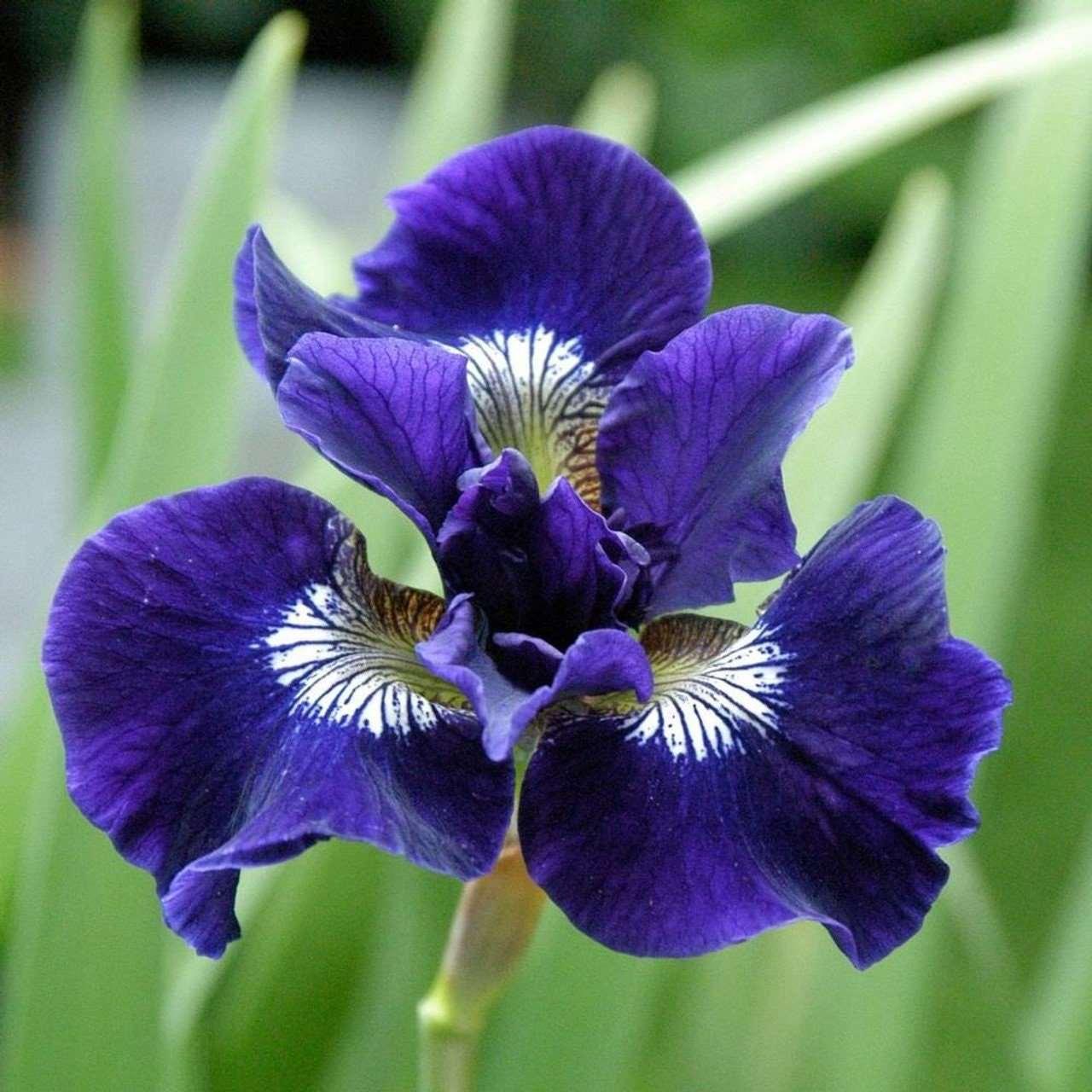
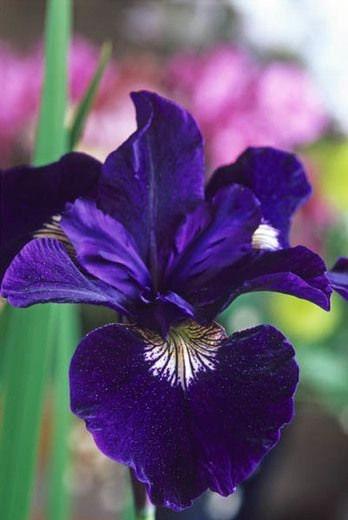
Iris Sibirica is a rhizomatous herbaceous perennial, from Europe (including France, Italy, Switzerland, Austria, Czech Republic, Slovakia, Germany, Hungary, Poland, Romania, Bulgaria, Former Yugoslavia, Belarus, Estonia, Latvia, Lithuania, Moldova, Ukraine and northern Turkey) and Central Asia (including Armenia, Azerbaijan and Siberia).
It has long green grass-like leaves, tall stem, 2–5 flowers per stem. It is cultivated as an ornamental plant in temperate regions.
All parts of the iris are noxious but not toxic. Their sap can sometimes cause mild skin irritation.
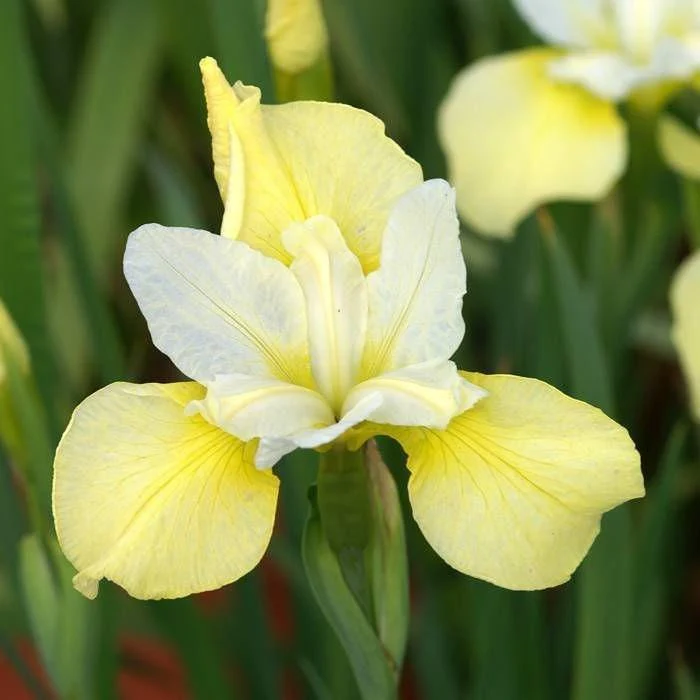
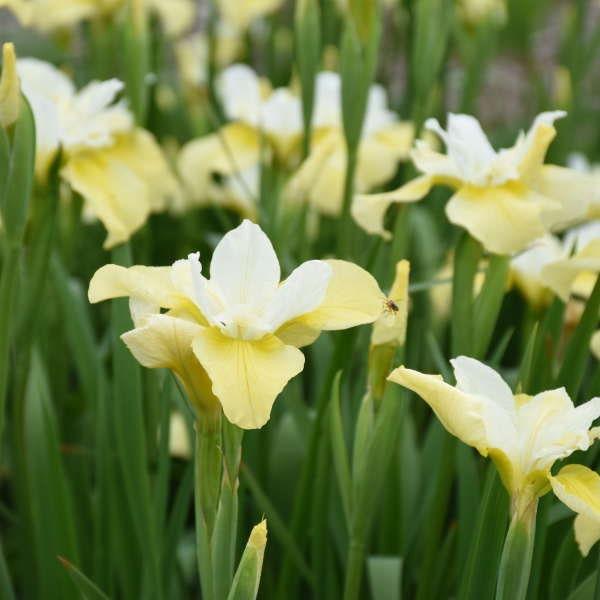
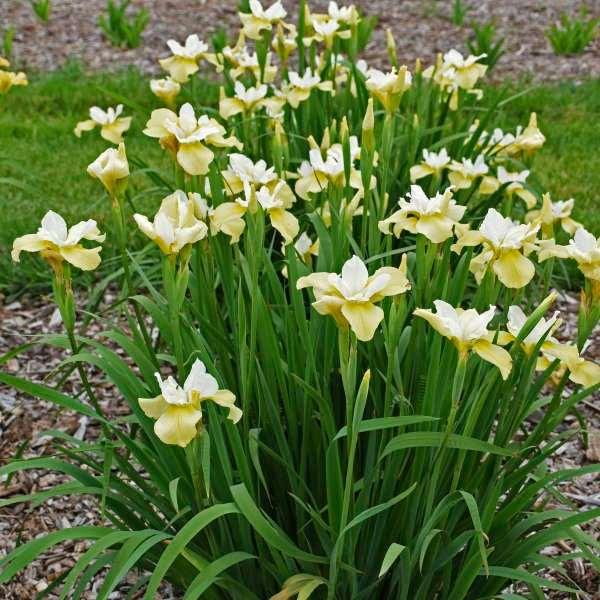
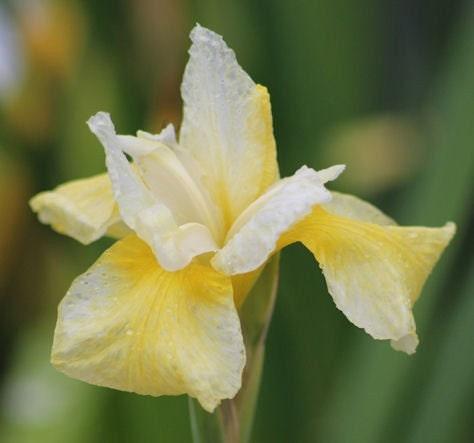
The iris sibirica or Siberian iris, are very robust perennials. This species grows well in all soils, but prefers them cool or humid even if they are drought resistant. The narrow leaves of this iris rise in beautiful clumps and their flowers are particularly interesting in bouquets. Pure white petals and light yellow sepals. Each flower stock produces multiple little blossoms.
Very hardy, they grow well in all soils, but prefer cool or damp ones, although they are drought-resistant. Their narrow leaves rise in beautiful clumps and their flowers are particularly interesting in bouquets.
In the UK, the Butter and Sugar Iris has gained the Royal Horticultural Society's Award of Garden Merit; while in the US it has earned the Morgan Award, the highest award given by the American Iris Society.
- Flower color: White, Yellow
- Foliage color: green
- Height : 70 cm
- Flowering : May - June
- Exposition: sunny
- Density: 6 per m².
- Soil: well-drained, fertile, neutral to slightly acidic soils (the pH level should be more than 5.6)
Care
It is hardy to USDA Zone 2–8, which means hardy to −20 °C (−4 °F) and below (−40 °C (−40 °F)). It is fully hardy in the UK. If the plants are mulched in winter they can withstand colder temperatures.
It prefers positions in full sun, but can tolerate part shade (with some hours of sunlight). In very hot, arid regions, they will need some shade, as well as watering and mulching.
The plant needs moisture during the growing season (in spring and early summer) to create the best blooms. Although it will tolerate occasional flooding, it does not grow in standing water.
They can be used in various positions within gardens, at waterside locations beside pools, ponds or streams. Also known as ideal bog garden plants. They can also be used within a Herbaceous border. The iris can also be used in mixed plantings with grasses and other perennials to create naturalised gardens and meadows.
They are sturdy plants and do not need to be staked.
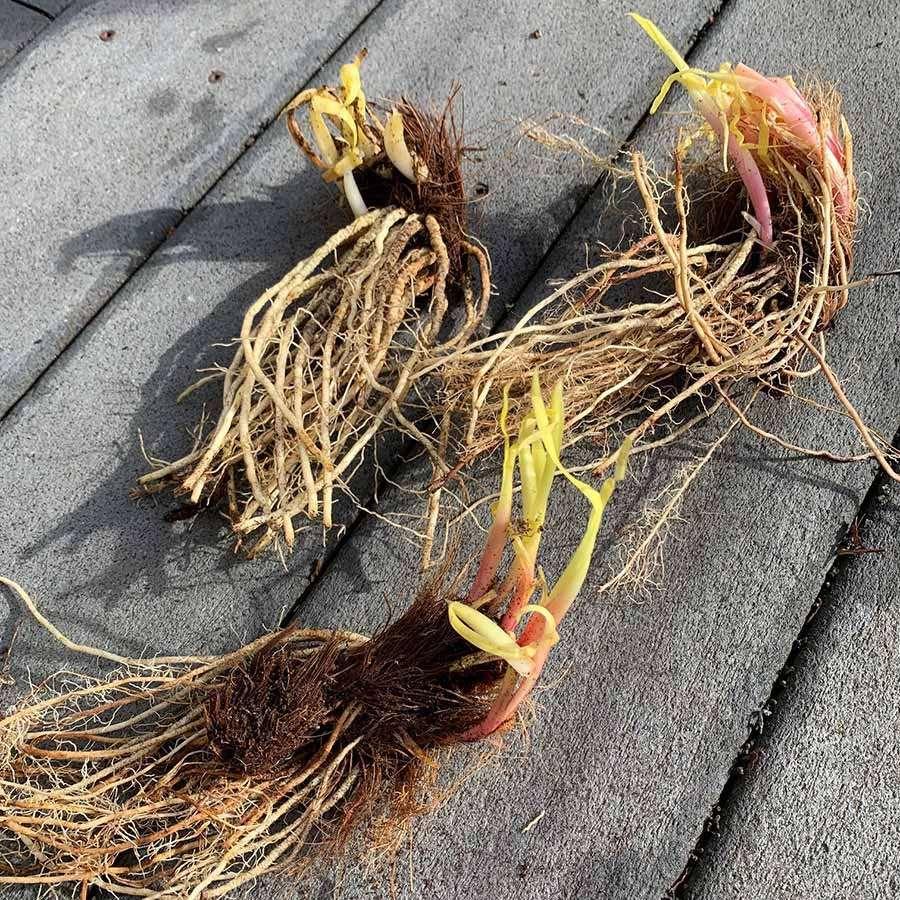
They are best propagated by division. The best time to divide plants is mid-summer to early autumn. They do not like root disturbance and should only be divided when the center of the clump dies out.[10] When preparing divisions for transplanting, store them in a bucket of water to stop them drying out.
Details & Craftsmanship
Every detail has been carefully considered to bring you the perfect product.
Details & Craftsmanship
Every detail has been carefully considered to bring you the perfect product.
Details & Craftsmanship
Every detail has been carefully considered to bring you the perfect product.
Details & Craftsmanship
Every detail has been carefully considered to bring you the perfect product.
Description
Iris Sibirica is a rhizomatous herbaceous perennial, from Europe (including France, Italy, Switzerland, Austria, Czech Republic, Slovakia, Germany, Hungary, Poland, Romania, Bulgaria, Former Yugoslavia, Belarus, Estonia, Latvia, Lithuania, Moldova, Ukraine and northern Turkey) and Central Asia (including Armenia, Azerbaijan and Siberia).
It has long green grass-like leaves, tall stem, 2–5 flowers per stem. It is cultivated as an ornamental plant in temperate regions.
All parts of the iris are noxious but not toxic. Their sap can sometimes cause mild skin irritation.
The iris sibirica or Siberian iris, are very robust perennials. This species grows well in all soils, but prefers them cool or humid even if they are drought resistant. The narrow leaves of this iris rise in beautiful clumps and their flowers are particularly interesting in bouquets. Pure white petals and light yellow sepals. Each flower stock produces multiple little blossoms.
Very hardy, they grow well in all soils, but prefer cool or damp ones, although they are drought-resistant. Their narrow leaves rise in beautiful clumps and their flowers are particularly interesting in bouquets.
In the UK, the Butter and Sugar Iris has gained the Royal Horticultural Society's Award of Garden Merit; while in the US it has earned the Morgan Award, the highest award given by the American Iris Society.
- Flower color: White, Yellow
- Foliage color: green
- Height : 70 cm
- Flowering : May - June
- Exposition: sunny
- Density: 6 per m².
- Soil: well-drained, fertile, neutral to slightly acidic soils (the pH level should be more than 5.6)
Care
It is hardy to USDA Zone 2–8, which means hardy to −20 °C (−4 °F) and below (−40 °C (−40 °F)). It is fully hardy in the UK. If the plants are mulched in winter they can withstand colder temperatures.
It prefers positions in full sun, but can tolerate part shade (with some hours of sunlight). In very hot, arid regions, they will need some shade, as well as watering and mulching.
The plant needs moisture during the growing season (in spring and early summer) to create the best blooms. Although it will tolerate occasional flooding, it does not grow in standing water.
They can be used in various positions within gardens, at waterside locations beside pools, ponds or streams. Also known as ideal bog garden plants. They can also be used within a Herbaceous border. The iris can also be used in mixed plantings with grasses and other perennials to create naturalised gardens and meadows.
They are sturdy plants and do not need to be staked.
They are best propagated by division. The best time to divide plants is mid-summer to early autumn. They do not like root disturbance and should only be divided when the center of the clump dies out.[10] When preparing divisions for transplanting, store them in a bucket of water to stop them drying out.